
If you want to maintain a profitable property portfolio, you need to invest and manage your assets continuously.
There are several ways you can do this. Here are five top tips to ensure your portfolio scales and sustains its growth.

1. Stay Organised with Software
If you’re handling several properties, you must keep your documents, details, and workflow streamlined and organised.
A lack of order and poor management can result in crucial admin errors that may not only delay certain deals, but they could lose you a potential deal or two.
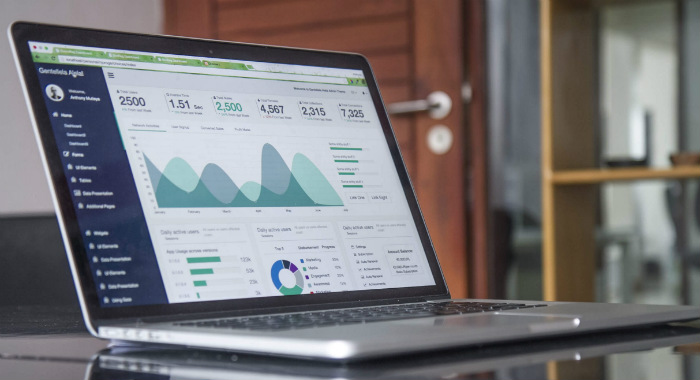
Invest in a comprehensive property portfolio management software that specifically caters for property developers. An effective piece of software will do the following:
- Keep track of receipts and expenses
- Calculate and distribute payments and funds
- Manage contractor jobs and redistribute service charges to all tenants
- Integrate with your electronic banking facility
- Schedule reminders
- Create and link documents to the accounting functions
2. Don’t Get Carried Away at Auctions
One of the most damaging things you can do at an auction is to spend money on properties that you’ve never viewed. So make sure you see the property before attending an auction!
Review your budget, absorb all the information in the legal pack, and write down the maximum price you are willing to pay for a single property.
If you’ve never been to an auction before, do the necessary homework and find out how property auctions work, so you are prepared for the pressure-filled auction environment.
3. Budget Appropriately

If you can’t get your finances right, chances are your portfolio will suffer. If finance management is not your strongest point, hire a professional to help organise your finances.
Whether you’re just getting started or you already have a healthy number of properties, you need to protect your portfolio. So budget for each investment. Budgeting shouldn’t cover the property price alone. You also need to budget for legal fees, utility bills, hiring contractors, materials, and every other expense you might incur.
It’s also advisable to have a contingency plan in case your funds stretch further than you budgeted. However, you’ll want to avoid this pitfall of “exceeding your budget” as much as possible.
You’ll also need to calculate the rental yield or work out the potential Return On Investment (ROI ) if you sell the property.
4. Review All Loan and Mortgage Options
Make sure you do the necessary research and “shop around” for the best mortgage and loan rates. Consider all the available options, including:
- Bridging loan. You can use this loan to buy a new property while you wait for other funds to come through.
- Residential mortgage. This is an option whether you want to live in the property you’re developing — or you intend to sell it on.
- Buy-to-let mortgage. You’ll need a buy-to-let mortgage if you intend to rent out your property once the development is complete.
- Commercial mortgage. A commercial mortgage covers properties purchased for business purposes, e.g. a shop.
- Unsecured loan. If you need extra funds, you should pick up a personal loan — but shop around for the best rate.
- Secured loan. If you need to borrow a large amount of money, you could pick up a loan against your home. However, this is a risky choice if you think you may not be able to keep up with the repayments.
You should use the service of a professional mortgage advisor as they may have access to rates unavailable to you direct from lenders.
5. Diversify Your Portfolio
A diverse portfolio is a healthy one. Like most investments, spreading your risk is a great way to safeguard your capital and protect your portfolio.
When you initially get on to the property ladder, flats may be an easier “first purchase”. But as your portfolio builds, you’re going to want to protect it by ensuring that you have a good spread of various property types.
The ultimate aim of any property investor who wants long-term security should be a portfolio boasting a combination of flats, houses, Houses in Multiple Occupation (HMOs) etc. These properties should be spread across different areas in the country — even different countries!
The key takeaways to ensuring you maintain a healthy property portfolio are to remain diligent and meticulous in your planning. Review all the relevant rates, including your budget, do thorough research before heading out to auctions (or buying through any other method), diversify and ultimately stay organised with some effective property management software.
If you follow these points, you’ll be well on your way to protecting your portfolio for the long-term.